18 min read
Trends in sustainable architecture
Blog
All over the world, the acceleration of climate change due to CO2 emissions is starting to have a direct impact on people’s lives, and buildings generate almost 40% of global, annual CO2 emissions. This means that transforming the building industry is one of the greatest global challenges to reducing CO2 emissions. Fortunately, there are several strong trends in sustainable architecture that will help reduce the carbon footprint of the building and construction industry.
- Sustainable comfort
- Biophilic architecture
- Green buildings in 3D
- Modular construction
- Documented sustainability
- Adaptive reuse
- Net zero buildings
Read the rest of the article to find out more!
Sustainable comfort
During the Covid-19 pandemic, people spent more time at home and indoors than ever. Things like sound insulation, temperature control, and air quality become greater concerns when you spend a lot of time inside. But rather than seeking quick solutions to improve comfort, the trend is to think long-term and consider the environmental impact. You can make many smart and green choices without compromising on comfort, for example:
1. Adequate insulation
For existing buildings and new-builds alike, good insulation is key. Although this is a well-known fact, it cannot be repeated enough, because well-insulated walls and windows have so many benefits: optimised temperature control, reduced noise, minimised energy loss, and lower energy costs, just to name a few.
2. Natural ventilation
Natural ventilation improves indoor air quality, reduces CO2 emissions, and is cost-efficient, as it uses the temperature difference between the inside and outside and/or natural wind, to move the air through a building and create a healthier indoor environment. Trickle vents installed on the windows and doors offer a great solution to introduce fresh air and lead stale air out without using any energy.
3. Water-saving equipment
Water efficiency is a strong trend among homeowners, but something which is surprisingly often overlooked in commercial and public buildings. Investing in water-saving machinery, toilets, and bathroom equipment, collecting and recycling rainwater and greywater will help increase water efficiency. Installing a water descaler or a water softener system will make pipes, plumbing, and all water-based machinery last longer, saving both energy and money.
4. Energy efficiency
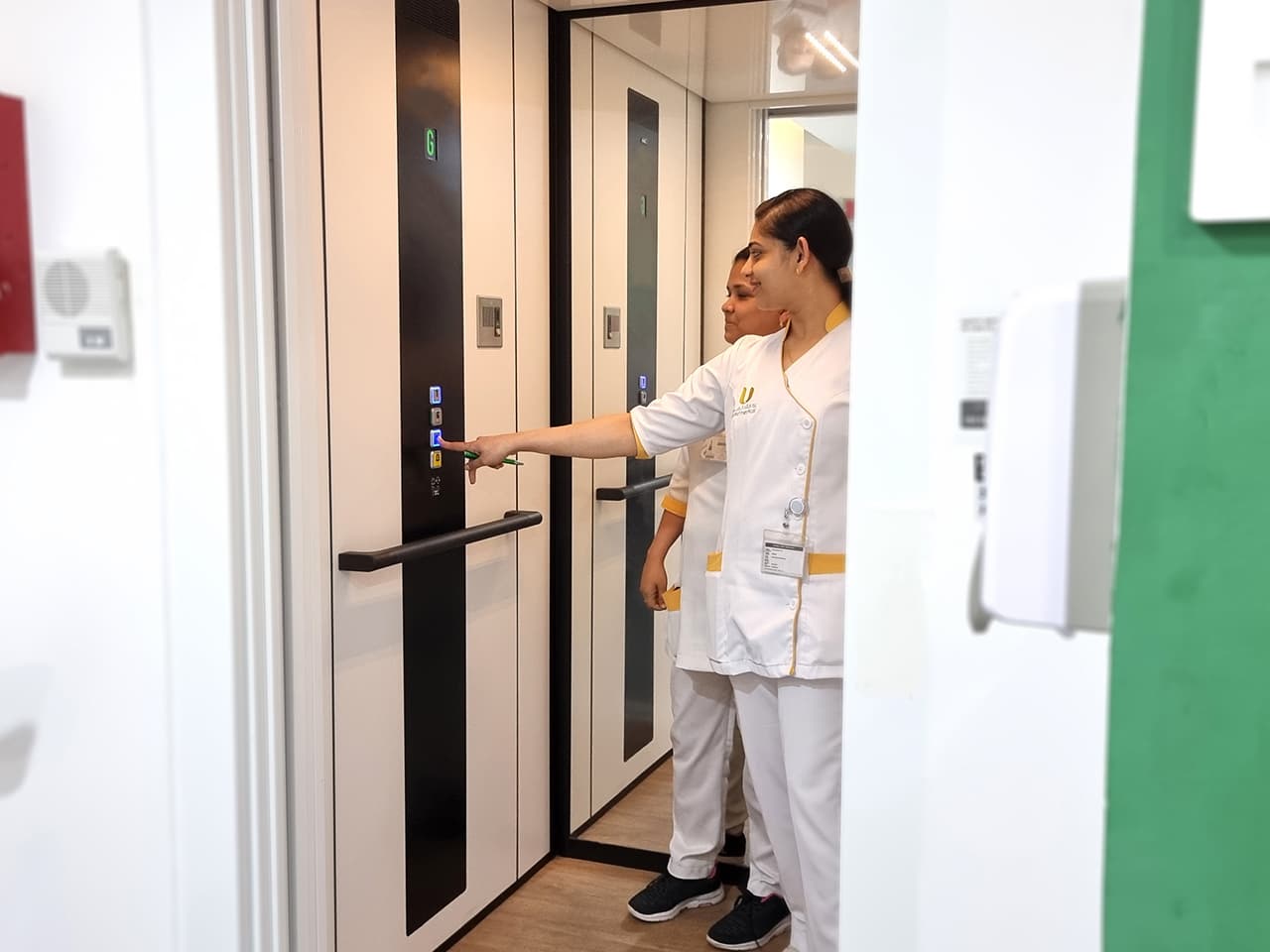
Always check the energy efficiency of any machinery or appliance that you source for your project. Choose your appliances and larger equipment, such as industrial dishwashers or lifts, carefully. There are often alternatives that are more sustainable than others, like the Kalea Luna, equipped with a super-optimised drive system that is both quiet and energy-efficient.


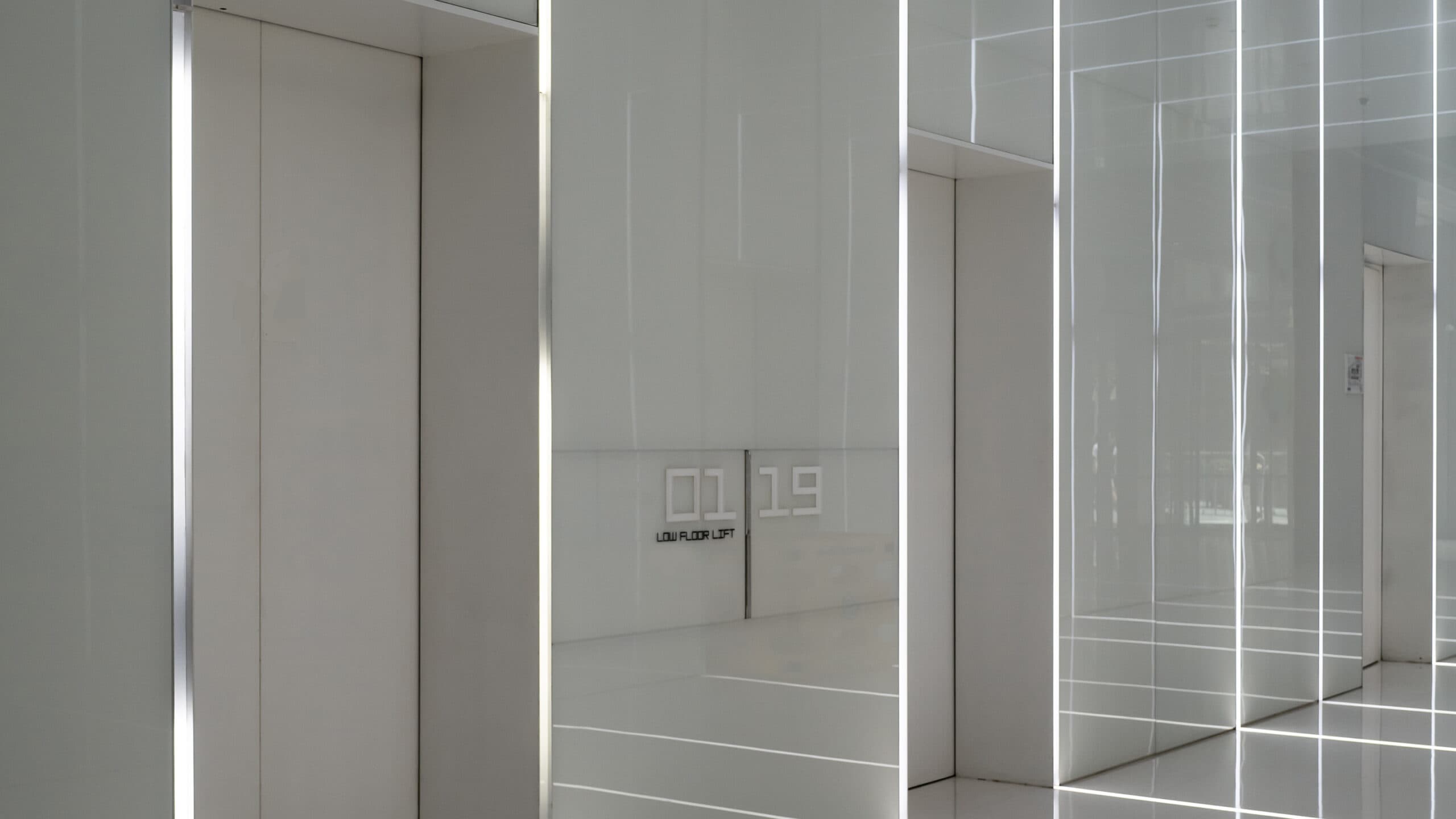
Platform lift Kalea Luna comes with an energy-efficient drive system as standard and carries Energy Label A.
Biophilic architecture
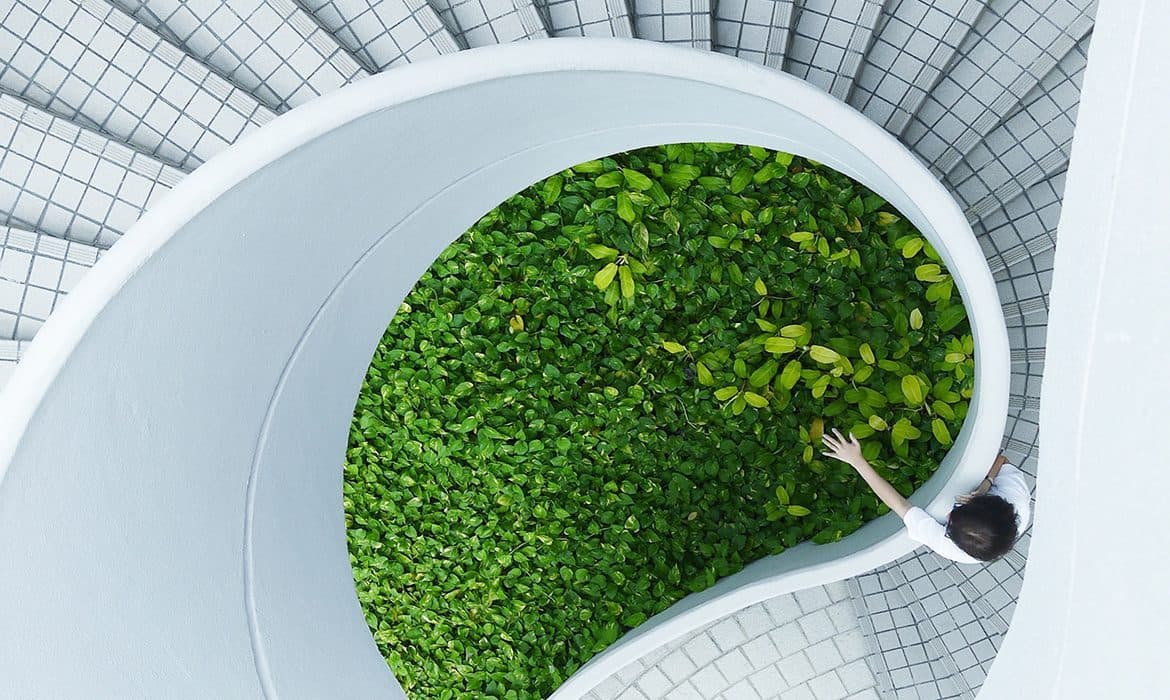
Although its name was coined as late as in the 1980’s, indicators of biophilic architecture have been observed from as far back as the Hanging Gardens of Babylon. Today, biophilic design has grown to become one of the most visually striking trends in sustainable architecture. Biophilic design can be described as an architectural framework introducing organic materials, patterns and shapes, natural light, or greenery into a built environment to create a sense of connection between people and nature. However, biophilic design is not only visually appealing but can also contribute to reducing carbon emissions in urban environments.
Incorporating plant life in architectural design is one of the pillars of biophilic designs. Green roofs as well as interior and exterior green walls not only make buildings look more attractive but also help reduce the CO2 levels in the air.
Integrating more greenery and parks with the urban landscape will make our cities more sustainable and resilient. Flowers and vegetation attract pollinating insects and promote urban biodiversity, while green areas, where the ground is not covered with asphalt or concrete, allow rainwater to be absorbed, thus reducing the risk of flooding.
The use of wood has become an increasingly strong trend in biophilic design over the past decade. Nowadays, wood is used to construct buildings of all sizes and the popularity of the material is not only due to its functional qualities. Wood has a much lighter carbon footprint than concrete or steel. In addition, the natural look and texture of wood also seem to have soothing physiological and psychological effects that promote human well-being.


Green buildings in 3D
Building Information Modelling (BIM) makes it possible to create an entire building in 3D before it is actually built. The 3D model can be shared and used as a single source of information by all professionals involved in the building project which reduces the risk of errors and information loss.
Building everything in 3D first has many sustainable advantages, like for example:
1. 3D simulation
Allowing for advanced analysis and simulation tools that enable professionals to try out different systems for improving a building’s energy performance and indoor climate before it is even built.
2. Clash detection
BIM also makes it possible for architects and engineers to study the pros and cons of multiple solutions and detect clashes between different 3D elements at a very early stage in the project.
3. Reduced waste
It improves coordination between cost planning, design, construction, and production. BIM enables manufacturers to create more accurate elements off-site, resulting in less over-ordering and waste due to human errors.


A wide range of lift models by Kalea Lifts are available as project specific BIM models.
Modular construction
Another trend in sustainable architecture that is gaining momentum is modular construction. Creating buildings with ready-made modules is in fact changing how architects design and construct buildings. In the upcoming years, architects will work more and more with modules that are prefabricated in factories and assembled on-site.
This approach not only saves time and money but improves quality control and reduces the risk of unnecessary waste. When you construct with standardised, ready-made elements that all work together in the same system, you reduce the risk of manufacturing errors, thus improving quality and reducing waste.
In addition, modular buildings are easier to adapt to changing needs, simplifying the remodelling or extensions existing spaces. Yet another advantage is that modular designs are easier and faster to upgrade over time, making them last longer.
To develop a complete modular system with enough flexibility to cater for most needs is very complex and time-consuming. However once you have it in place, it is a very sustainable and efficient way of building that is likely to completely dominate the construction industry within the next few decades.

Modular architecture can be both innovative and exciting, like this example in wood, in Stockholm, Sweden.
Documented sustainability
Most companies want to portray themselves as sustainable, but not all have the documentation to back up their claims. However, one of the strongest trends in sustainable architecture is to require all suppliers in green building projects to provide certified environmental documentation for their products. This has resulted in a growing demand for sustainable products with globally recognised certified documentation, such as Environmental Product Declarations (EPD).
The EPD presents the environmental impact of a product throughout its lifetime according to an internationally recognised system. All EPD reports are based on a Life Cycle Analysis and approved by an independent verifier. The analysis is executed and compiled according to the same international methods and standards, which makes it easy for architects and builders to compare the environmental impact of the products of different suppliers.
Sustainability aspects like social responsibility, equality, and safety are also becoming growing concerns within the Architecture, Engineering, and Construction (AEC) Industry. This has resulted in an increased demand for documentation that takes corporate responsibility into account. The Cibes Lift Group Sustainability Report covers all company brands, including Kalea Lifts, and is prepared according to the internationally recognised Global Reporting Initiative (GRI) standards.

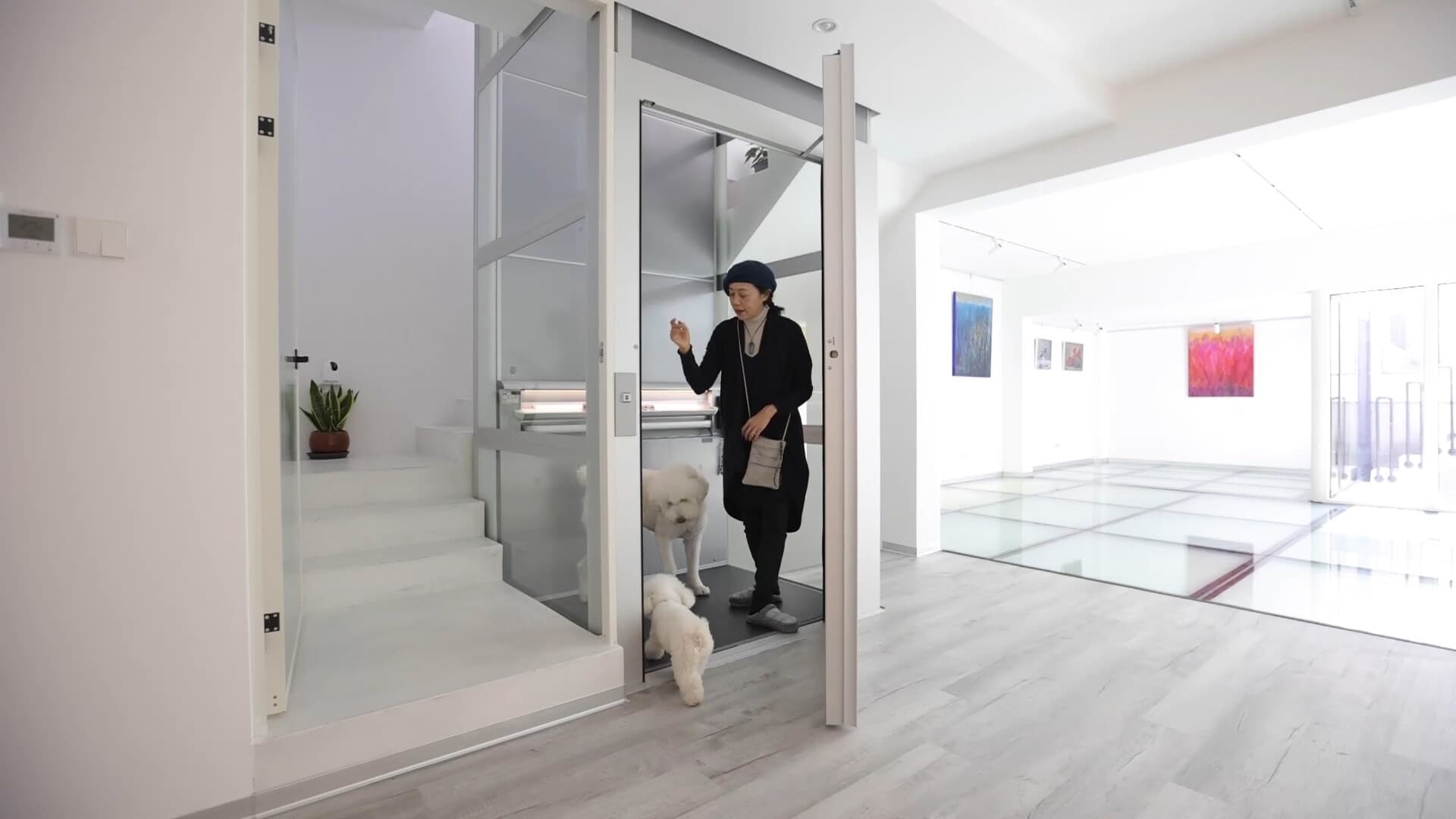
Top-selling platform lift model Kalea A4 Primo has an Environmental Product Declaration.
Adaptive Reuse
Circularity and preservation go hand in hand as adaptive reuse emerges as a powerful architectural trend. Rather than demolishing old structures, architects are repurposing them for new functions, preserving their heritage and adapting them to the needs of modern society. Because adaptive reuse enables architects to recycle and reuse already existing architectural elements, it also promotes circularity. In addition, this type of adaptive preservation often results in buildings with a unique charm. From factories turned into loft apartments to warehouses transformed into cultural hubs, adaptive reuse projects revitalise a growing number of communities, celebrating architectural heritage at the same time. A great example of adaptive reuse is Google’s L.A. office in a converted historic Californian hangar, or the beautiful loft apartment in an industrial building below.

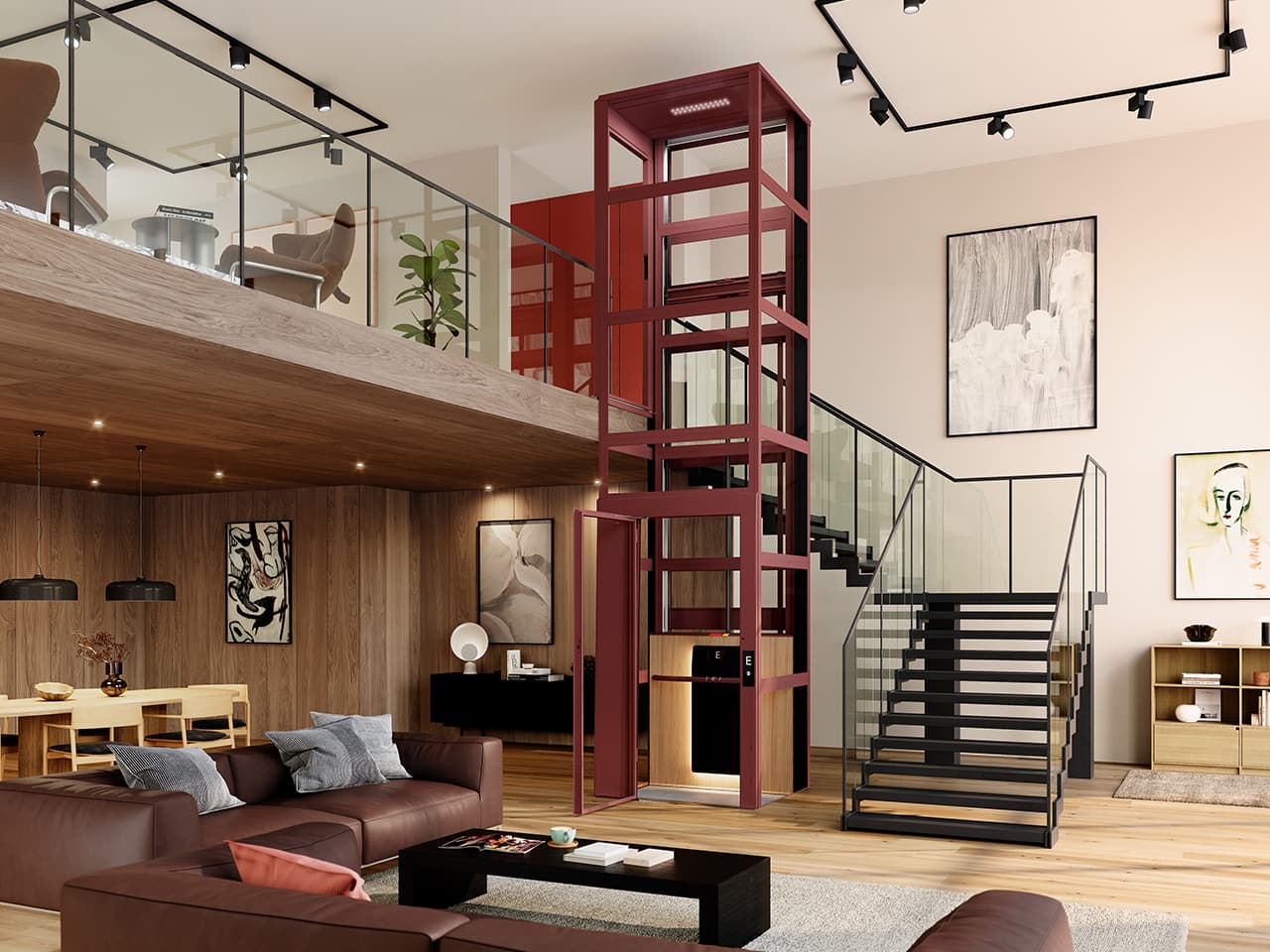
Industrial building converted into beautiful loft apartments.
Net Zero Buildings
Simply put, Net Zero Buildings, or Net Zero Energy Buildings, are buildings that use the same amount of energy as the amount of renewable energy the building can produce on an annual basis. In view of the fast population growth, the need to create new buildings, refurbish existing ones and expand our cities is only going to increase. If we want our planet to survive, the building industry urgently needs to transform itself to improve circularity and reduce carbon emissions.
The World Green Building Council (World GBC) calls on the building and construction sector to take action to decarbonise the built environment through their Net Zero Carbon Buildings Commitment, tackling both embodied and operational carbon emissions. To live up to the commitment requires close collaboration across the entire value chain of the construction industry, as well as new ways of designing, constructing, operating, and deconstructing buildings. Of course, optimising the energy performance of buildings is key, but so is finding new business models that promote circularity and the reuse of buildings and building materials.
Reforming the construction sector is not an easy task, but initiatives by global organisations, like the WorldGBC commitment, will facilitate and accelerate market transformation.
Do you want to discover more articles like this one? Then please visit our blog space. If you want to find out more about the products of Kalea Lifts, contact us. We are always happy to help!

As our cities keep expanding, the need for net zero buildings and circularity keeps growing.